Welcome
About the Yale Forests
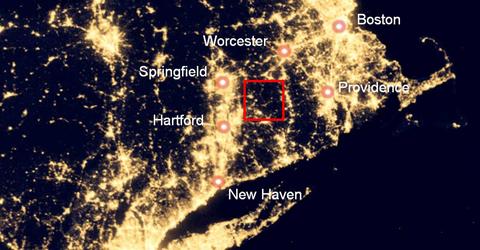
The Yale Forests are a vast resource for students, researchers and multiple communities, from local landowners to Yale University and the larger academic world.
As a program of The Forest School at Yale School of the Environment, the Yale Forests focus on three activities: education, management and research.
Education |
Management |
Research |
|
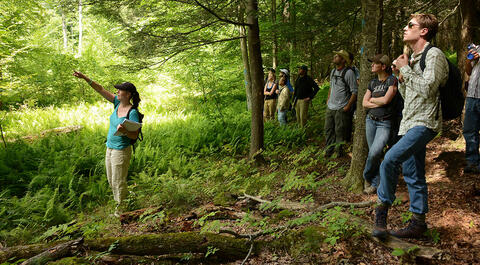
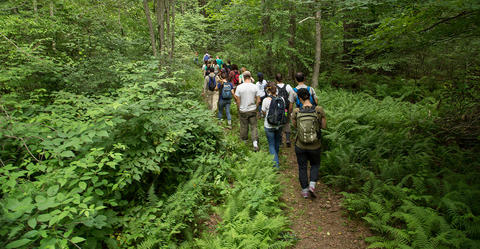
One of the primary objectives of the Yale Forests is to provide a hands-on, working forest laboratory for teaching and learning. This objective is met through class field trips, field modules for incoming students, doctoral, masters, and undergraduate research, and demonstration areas and tours for practitioners and the public. |
As some of the oldest sustainably managed forests in the nation, the Yale Forests use science-based management to promote ecological and financial sustainability. |
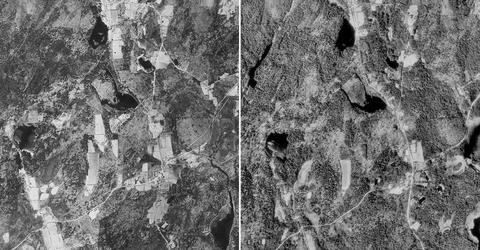
The Yale Forests provide research opportunities in diverse disciplines from forest ecology and management to biometeorology and climate, and from wildlife population dynamics to land-use history. |
Mission
The Yale Forests uses science-based management to promote ecological and financial sustainability of our forest resources, and is one of the oldest sustainably managed forests in the United States of America. The forests of New England are challenged by many factors, including invasive species and climate change. Silviculture on the Yale Forests strives to mitigate these challenges while maintaining a diverse, healthy ecosystem that will continue to support human use and ensure ecological integrity. We also use our forest as a living laboratory to trial forest management techniques while providing education opportunities which showcase these applied research approaches. The environmental, social, and economic benefits of our forest management is third party certified.